Colorful Camouflage Pencil Case
A Designer’s First Look: Playful, Modern, and Surprisingly Versatile
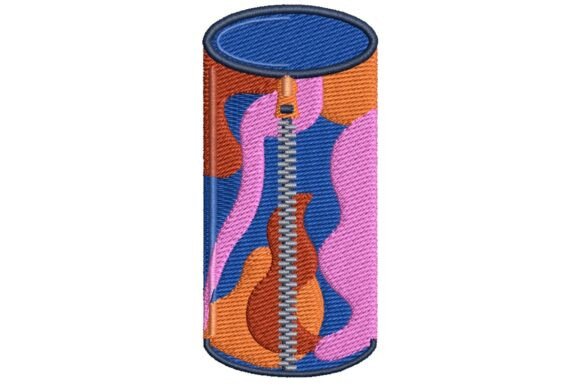
As an embroidery designer who’s tested hundreds of digital embroidery files for personalized gift shops and Etsy sellers, the Colorful Camouflage Pencil Case immediately stood out—not as a literal pencil case, but as a joyful, modern motif with quiet emotional resonance. Its charm lies in the unexpected twist: camouflage reimagined in soft blues, warm pinks, and vibrant oranges—no militaristic edge, just cheerful rhythm and gentle contrast. It feels handmade without being fussy, playful without sacrificing polish. For baby embroidery or wedding gifts, it reads sweet and contemporary; on a kitchen towel or tote bag, it leans artful and intentional. It’s not seasonal—it’s timeless-but-fresh, which makes it ideal for Back To School launches *and* year-round handmade product lines.
Where This Design Truly Shines
The Colorful Camouflage Pencil Case transcends its original context beautifully. Here’s where I’ve seen it land strongest in real customer orders:
- Baby embroidery: Stitched on organic cotton swaddles or muslin nursery pillows, it adds a subtle, gender-neutral pop—softer than traditional camo, warmer than minimalist prints.
- Wedding gifts: Embroidered onto linen napkins or monogrammed pillow covers for the couple’s “art studio” guest room, it nods to creativity and shared hobbies without cliché.
- Personalized towels & aprons: On flour-sack towels or denim aprons, the design holds crispness while feeling approachable—ideal for craft fair booths or boutique gift sets.
- Nursery decor & blanket embroidery: When scaled down (3–4 inches wide), it becomes a charming focal point on crib bumper alternatives or quilt blocks—especially when paired with coordinating thread colors.
- Etsy listings & custom order previews: As a digital embroidery file, it photographs exceptionally well. A clean printable mockup on a neutral tote or pillow cover instantly communicates quality and personality—boosting buyer engagement before a single stitch is made.
Use With Intention: Where to Pause & Plan
This design is expressive—but like any strong visual motif, it rewards thoughtful placement. Avoid using the Colorful Camouflage Pencil Case for:
- Small lettering or fine text overlays: Its pattern relies on shape and color contrast—not legibility at tiny scales. Pair it with bold, simple monograms instead of intricate cursive.
- Highly textured fabrics: Thick terry cloth or nubby bouclé can blur the clean edges of the cylindrical form. Opt for smooth cotton, linen, or midweight twill for best definition.
- Stretchy baby clothes or curved surfaces: The zipper line and rounded silhouette demand stable fabric. Skip onesies or curved hat brims unless you’re using advanced stabilizing techniques.
- Dark fabric without thread testing: Those bright pinks and oranges may mute on navy or charcoal. Always run a test on scrap with your intended thread colors before committing.
- Products requiring frequent washing: While embroidery holds up well, high-stitch-density areas (like tight pattern repeats) benefit from tear-away + cut-away stabilizer combos—especially on embroidered towels or blanket embroidery meant for daily use.
Why Customers Trust—and Remember—This Design
Gift buyers don’t just buy stitches; they buy meaning, care, and confidence. The Colorful Camouflage Pencil Case delivers on all three. Its balanced color palette signals thoughtfulness—not trend-chasing. Its clean silhouette reads as professional, not DIY-casual, raising perceived value for small shop products. And because it’s rooted in function (school supplies, art tools, organization), it sparks instant recognition and warmth—even for non-artists. That emotional connection translates directly to repeat customers, social shares, and heartfelt thank-you notes. For Etsy sellers and wedding gift designers, that trust is gold: it turns a one-time purchase into a long-term relationship.
Practical Embroidery Notes You’ll Want Before Stitching
Before adding the Colorful Camouflage Pencil Case to your production queue, run through these essentials:
- Test on scrap fabric first—especially if stitching on a new base material or with unfamiliar thread brands.
- Check thread color contrast across all three main hues (blue, pink, orange) against both light and dark fabric mockups.
- Confirm hoop size compatibility—the cylindrical shape suggests moderate width; verify it fits your most-used hoops without re-hooping.
- Review stitch density visually—look for tightly packed areas that may need reduced density or extra stabilizer on delicate items like pillow covers or baby embroidery.
- Match stabilizer to end use: lightweight cut-away for structured items (tote bags, aprons); tear-away + topping for smooth surfaces (towels, pillow covers).
- Compare light/dark fabric mockups side-by-side—some pinks lift beautifully on cream but disappear on black; adjust thread selection accordingly.
- Inspect small details post-stitch—especially the zipper pull and pattern transitions—to ensure clarity and alignment.
- Verify commercial licensing before selling finished products. As a digital embroidery file, its use in handmade products depends on the creator’s terms—always confirm before listing on Etsy or shipping custom orders.
Final Thought: A Design That Grows With Your Shop
The Colorful Camouflage Pencil Case isn’t just another machine embroidery design—it’s a flexible storytelling tool. Whether you’re curating a Back To School collection for teachers, launching a baby embroidery line, or designing wedding keepsakes with personality, this motif adapts without losing its voice. It invites customization, encourages cohesion across product categories, and consistently earns compliments—not just for how it looks, but for how it *feels*: joyful, intentional, and quietly meaningful. For embroidery makers building a brand around authenticity and care, it’s more than a file. It’s a quiet promise—delivered in thread.