Apple Pencil Notes
A Craft Fair Designer’s First Look at This Back To School Embroidery File
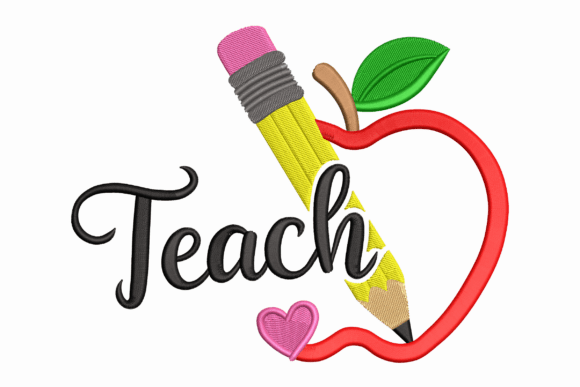
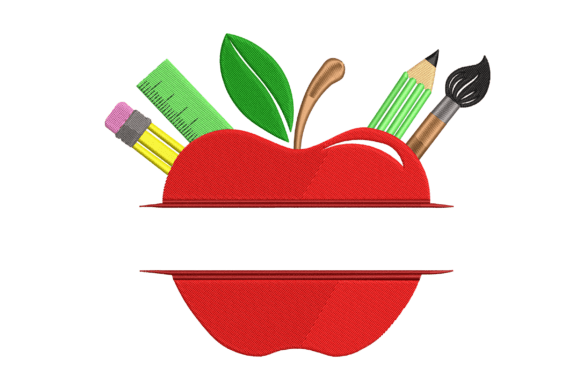
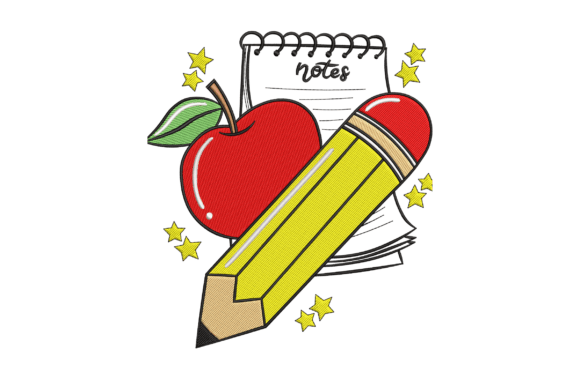
As someone who’s stitched over 300 craft fair booths—and sold thousands of handmade products—I opened Apple Pencil Notes expecting something clever, clean, and instantly recognizable. What I found was a refreshingly modern machine embroidery design: minimalist but expressive, tech-inspired without being cold, and just playful enough to land with students, teachers, and creative professionals alike. It reads as modern, not rustic or vintage—no distressed edges, no chalkboard textures, no cutesy apples. Just confident, clean lines and smart negative space. That makes it unusually versatile for a Back To School launch.
Where Apple Pencil Notes Shines on Craft Fair Products
This isn’t a one-trick embroidery file. It scales beautifully across product types—and that’s rare. Here’s how it performs where it matters most:
- Tote bag design: Centered on a natural canvas or denim tote? Instant credibility. The design reads clearly from six feet away—ideal for booth browsing. Customers pause, smile, and say, “Oh, I *need* that.”
- Apron embroidery: Placed above the pocket or on the bib, Apple Pencil Notes adds personality without overwhelming function. It feels intentional—not like an afterthought.
- Tea towel embroidery: Works best on medium-weight linen or cotton towels (not terry). The clean lines hold up against subtle fabric texture, especially when stitched in high-contrast thread colors like charcoal on oat or navy on cream.
- Embroidered patch: A standout option. Trimmed and heat-applied or sewn-on, this becomes a collectible item—perfect for student gift bundles or teacher appreciation kits.
- Fabric pouch & pillow cover: Small-scale versions (2.5”–3”) retain legibility and charm. Larger versions (4.5”+) become conversation starters—especially on linen-blend pillow covers displayed upright on your booth shelf.
What Makes Apple Pencil Notes Sell—Beyond the Stitch
It’s not just about what it looks like—it’s about what it does in real selling conditions:
- Instant recognition: Even shoppers scanning quickly grasp the reference. No decoding needed. That’s gold at a crowded craft fair.
- Strong visual rhythm: Balanced weight, open spacing, and intentional line thickness make it photograph exceptionally well—for Etsy listings, Instagram posts, or printable mockups.
- Repeatable batch appeal: Unlike dense floral motifs or script-heavy names, Apple Pencil Notes holds consistency across dozens of units. Minimal color shifts, predictable stitch density, and forgiving alignment mean less re-hooping and fewer rejects.
- Brand-flexible: Whether your shop leans academic, artistic, or artisanal, this design adapts. Pair it with neutral fabrics and quality thread, and it elevates even simple small shop products into premium handmade goods.
Careful-Use Notes Every Embroidery Designer Should Check
Don’t assume this design is foolproof—every machine embroidery design has limits. Before cutting fabric or loading your hoop:
- Avoid ultra-dense stitching zones: If your version includes fine pencil tip detailing or tight letter kerning, test stitch density on scrap first—especially for textured towels or thick twill caps.
- Small lettering = big visibility risk: On curved cap surfaces or dark fabric, tiny text can blur or vanish. Consider simplifying or enlarging if using under 3” wide.
- Thread contrast is non-negotiable: On heather gray or charcoal fabric, light thread may disappear. Always verify thread colors against your actual fabric swatches—not just your screen.
- Stabilizer choice matters more than usual: Because the design relies on crisp lines, lightweight cutaway or tear-away works best on stable wovens; avoid basic iron-on for stretchy knits unless fused carefully.
Why Booth Samples & Real Mockups Beat Digital Previews
I’ve watched customers walk past beautiful Etsy listings—then stop dead in front of a real embroidered tea towel hanging on my booth rail. Apple Pencil Notes gains dimension, texture, and warmth in person. That’s why I always create at least one finished product before ordering bulk fabric: a linen pouch, a cotton apron, a 100% cotton market bag. These aren’t just samples—they’re trust builders. They answer unspoken questions: Does it feel handmade? Does the stitch sit flat? Does it look expensive? Yes—to all three—when executed well.
Final Designer Checklist Before Production
Before you turn Apple Pencil Notes into your next craft fair product lineup, run through these must-do steps:
- Test the embroidery file on scrap fabric matching your intended product (e.g., terry cloth for towels, structured twill for caps).
- Confirm hoop size compatibility with your machine—and whether nesting multiple designs is possible for efficiency.
- Inspect stitch density visually: look for thread buildup, skipped stitches, or floating threads that could snag.
- Compare at least three fabric color + thread color combos in natural light—not just under booth lighting.
- Verify commercial licensing terms. As an Etsy seller or boutique maker, you need explicit permission to sell finished products using this digital embroidery file.
- Create one printable mockup *and* one physical mockup—then compare. If they don’t match in tone or impact, adjust thread or scale before cutting.
Bottom Line for Creative Entrepreneurs
Apple Pencil Notes isn’t just another Back To School embroidery file—it’s a strategic asset. It bridges utility and identity, appeals across age groups, and translates seamlessly from booth display to online listing. For embroidery business owners juggling speed, quality, and visual impact, it delivers clarity without compromise. Used thoughtfully—with attention to fabric texture, stabilizer, and real-world testing—it becomes more than decoration. It becomes a reason customers remember your booth, tag your Instagram, and come back next season. That’s the power of a truly well-judged machine embroidery design.