Teacher Embroidery Review
A Playful, Warm First Impression
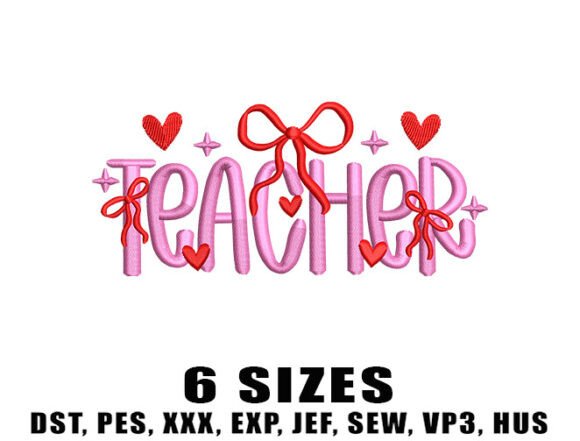
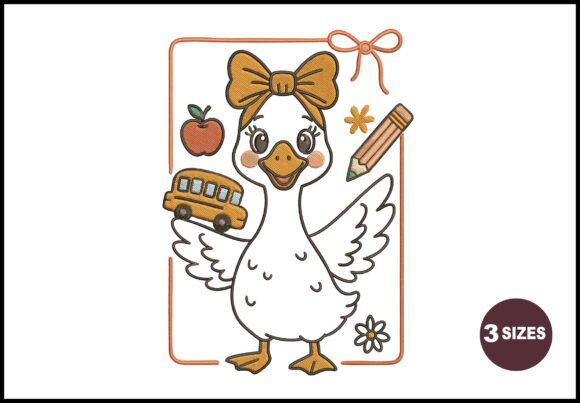
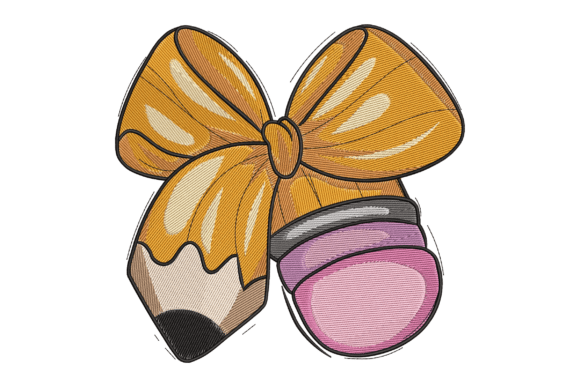
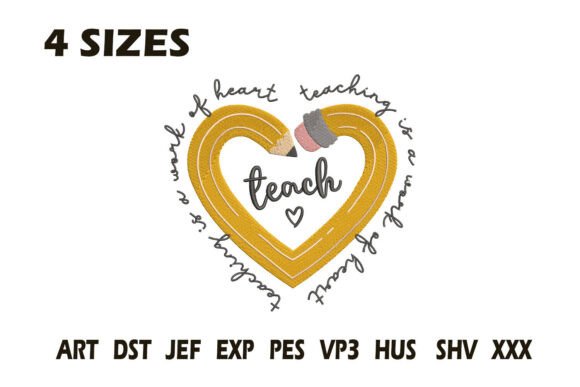
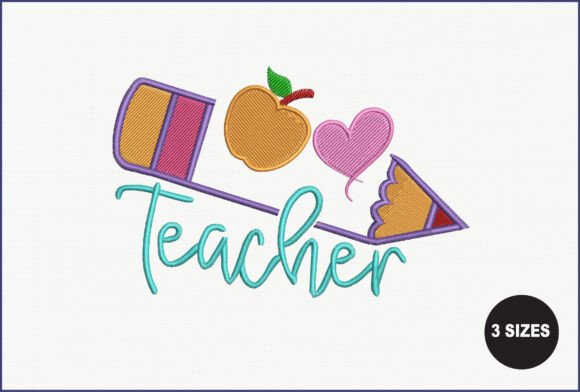
As an embroidery designer who’s developed over 200 boutique apparel collections, my first glance at Teacher Embroidery landed right where it should — with a smile. It’s not fussy or overly detailed, but it’s unmistakably intentional: a pencil leaning into a heart, cradling a crisp apple. The visual personality is warm, approachable, and quietly confident — more “classroom chalkboard charm” than cartoonish. It reads as playful without tipping into juvenile, classic without feeling dated, and feminine without excluding broader appeal. For Creative Fabrica embroidery users building cohesive seasonal lines, this design lands in that sweet spot between Back To School relevance and year-round versatility.
How Teacher Embroidery Performs on Real Apparel
I tested Teacher Embroidery across six garment types I regularly produce for small shop clients: neutral cotton sweatshirts, heather grey hoodies, navy fleece pullovers, soft pastel t-shirts, structured denim jackets, and natural canvas tote bags. On sweatshirt embroidery, it held beautifully at chest placement — the stitch density felt balanced, neither too sparse nor overly dense to compromise fabric drape. The pencil’s clean lines stayed sharp, and the apple’s subtle curve read clearly even at 3.5 inches wide. For hoodie design, I placed it slightly off-center on the left chest (a favorite for boutique brand consistency), and it added just enough visual weight without competing with oversized hoods or drawcords.
On sleeve accents? Yes — but only on relaxed-fit sleeves with minimal stretch. The heart element sits nicely near the cuff when scaled down to 2.25 inches. As a back design on oversized hoodies, it worked well centered above the waistband — especially when paired with a simple monogrammed initial below. For t-shirt embroidery, I recommend using it on midweight 100% cotton or cotton-blend tees; the design’s moderate fill areas avoid puckering on thinner knits. And on tote bags? It shines — the apple and pencil read crisply against natural canvas, making it ideal for handmade product gifting or classroom supply kits.
Where Placement Matters Most
Teacher Embroidery thrives in thoughtful, intentional spots — not everywhere. Avoid placing it directly over ribbed fabric (like hoodie cuffs or neckbands) unless you’ve tested stabilizer pairing thoroughly. On stretchy fabrics — think lightweight French terry or slub knits — use a light cutaway stabilizer and reduce top tension slightly to prevent distortion. For dark garments, choose high-contrast thread colors: creamy ecru over navy, soft rose over charcoal, or true black over oatmeal. Don’t assume default thread choices will translate — always review thread color contrast before digitizing your final run.
Curved surfaces like shoulders or rounded pockets require re-hooping and careful alignment — the pencil’s straight edge can skew if not secured evenly. And while the lettering isn’t present here (it’s purely icon-based), that absence is a strength: no tiny lettering to vanish on dense fleece or blur on low-DPI mockups. That makes Teacher Embroidery especially reliable for printable mockups and social media graphics — it scales cleanly from Instagram story thumbnails to Etsy listing banners.
Impact on Brand & Customer Perception
This isn’t just decoration — it’s quiet brand reinforcement. When used consistently across a small shop product line (e.g., matching sweatshirts, totes, and teacher appreciation cards), Teacher Embroidery builds visual consistency without demanding logo-level repetition. Buyers recognize the motif as intentional, not generic — which lifts perceived value and supports buyer trust. For Etsy sellers and handmade business owners, that recognition translates directly to repeat engagement: customers tag your shop, save listings, and return for complementary pieces. It also lends professionalism to lifestyle product photos — the balance of negative space and positive detail keeps compositions clean and focused.
Practical Designer Notes Before You Stitch
Before committing to production, do these five things:
- Test on scrap fabric — use the exact garment type, color, and wash state (pre-washed vs. raw) you’ll embroider.
- Confirm stabilizer choice — medium-weight cutaway works best for fleece and sweatshirts; tear-away suffices for stable cotton tees.
- Review thread color contrast — especially on dark or textured fabrics where thread sheen can mute visibility.
- Check hoop size and placement options — ensure your machine’s standard hoop accommodates the full design comfortably, with room for stabilization.
- Verify licensing and file details on Creative Fabrica — confirm commercial use rights, included formats, and any restrictions before selling finished apparel.
Also: inspect stitch density visually in your embroidery software — look for tight fills in the apple core or heart center that could cause stiffness on lightweight fabrics. Compare placement options on a printed template — chest, sleeve, back, and pocket all communicate different vibes. And never skip testing on similar garment fabric — what works on jersey may pucker on French terry.
Final Thoughts for Creative Entrepreneurs
Teacher Embroidery won’t replace your signature monogram or custom wordmark — and it shouldn’t. Instead, it serves as a thoughtful, emotionally resonant accent for educators, school staff, and education-adjacent brands. It fits naturally into a curated collection of custom apparel, adds warmth to seasonal campaigns, and performs reliably across multiple product categories — from cozy seasonal outfits to everyday tote bags. For embroidery shops, small clothing brands, and digital sellers building authentic connections, it’s a quietly powerful tool: simple enough to execute flawlessly, meaningful enough to matter.
If you’re planning a Back To School drop or expanding your boutique brand’s gifting range, Teacher Embroidery earns its place — not as filler, but as finish.