Retro Teacher Flower – Groovy School
First Impressions: A Nostalgic Smile, Not Just a Design
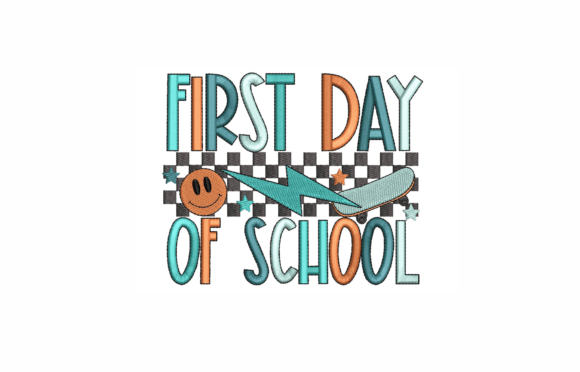
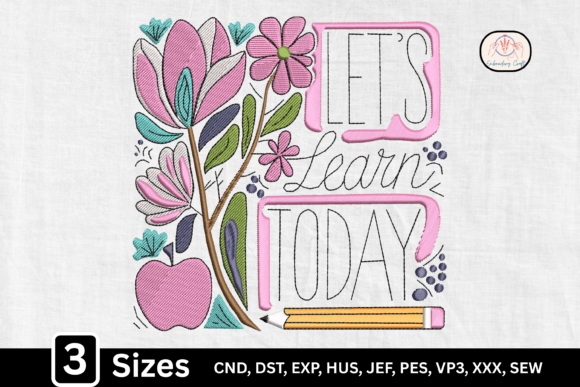
When Retro Teacher Flower – Groovy School loads in my embroidery software, it doesn’t just sit there—it *bounces*. The stacked “Teacher” text, repeated three times in that unmistakable bubble font, immediately evokes late-’60s classroom posters and vinyl record sleeves. It’s playful but not childish; groovy but not gimmicky. The curves feel intentional—not overly tight, not too loose—and the implied floral motif (subtle, not literal) adds warmth without clutter. This isn’t a generic school-themed clipart knockoff. It’s a machine embroidery design with personality, built for makers who want charm *and* cohesion.
A Real Project Test: Embroidering a Linen Tote for Back-to-School Boutique Stock
Last week, I stitched Retro Teacher Flower – Groovy School onto a natural linen tote—intended for a local teacher appreciation pop-up. I used medium-weight cutaway stabilizer and 40-weight cotton thread in mustard yellow and sage green. The result? Clean, confident, and instantly recognizable at six feet. The letterforms held their shape beautifully across the slightly textured surface, and the rhythm of the three stacked lines created visual weight without heaviness. Customers paused, smiled, and asked, “Is that vintage or new?” That’s the sweet spot: nostalgic enough to resonate, fresh enough to feel intentional.
Where It Shines (and Where It Asks for Thought)
Retro Teacher Flower – Groovy School excels on structured, stable surfaces:
- Custom apparel: Works especially well on crewneck sweatshirts and relaxed-fit tees—where the bold curves read clearly even from a distance.
- Tote bag design and apron embroidery: Its horizontal emphasis and moderate height make it ideal for center-chest or lower-front placement.
- Embroidered patch prep: The clean outer edges and consistent line weight mean it’ll press flat and look crisp when heat-applied or sewn on.
- Holiday embroidery and personalized gift contexts: Think teacher appreciation mugs (via iron-on transfer), baby onesies (“Future Teacher”), or pillow covers for a nursery wall—its warmth reads as heartfelt, not kitschy.
But let’s be real: not every fabric or format is a match. Avoid using this embroidery file on:
- Thin or stretchy fabric without extra stabilizer—those soft curves can blur or pucker if the base shifts mid-stitch.
- Caps or curved surfaces unless you’ve tested it first on a similar cap blank. The stacked layout assumes a flat plane; distortion on a crown can flatten the playfulness into mush.
- Dark fabric without verifying thread contrast—those rounded letters need breathing room. Lighter thread on navy works, but pale yellow on black may vanish unless stitch density is optimized.
- Small hoop sizes (under 4” x 4”): The full repeat needs space. Cropping it risks losing its rhythmic impact—or worse, cutting off part of a word mid-curve.
What It Does for Your Craft Business—Beyond the Stitch
As an Etsy seller and small shop product developer, I judge designs by how they affect buyer trust and perceived value. Retro Teacher Flower – Groovy School elevates a simple tote or sweatshirt into something that feels curated—not mass-produced. Its consistency across repeats signals professionalism. Customers don’t see “machine embroidery design”—they see intention, care, and a shared wink at nostalgia. That translates directly to higher perceived value, better photo mockups (it photographs cleanly, even in natural light), and stronger brand consistency for shops leaning into retro-educational aesthetics.
It also performs well in digital spaces: as a printable mockup element, it scales cleanly; as design assets for social posts or listing banners, its balanced proportions hold up in thumbnails. And yes—it’s gift-ready. I’ve seen teachers tear up over embroidered tea towels with this design—proof that emotional resonance matters more than pixel-perfect novelty.
Practical Designer Notes You’ll Actually Use
Before stitching your first Retro Teacher Flower – Groovy School project, do these five things:
- Test on scrap fabric—especially if you’re using textured linen, terry cloth, or blends. Watch how the satin stitch wraps those curves.
- Check thread color contrast in both daylight and indoor lighting. What reads bold in studio light may fade on a dark garment.
- Review stitch density in your software. If fill areas look heavy or thin, adjust underlay or reduce density slightly—this design benefits from air, not overload.
- Confirm hoop size matches the full design width. Don’t force it into a smaller hoop and risk misalignment between repeats.
- Inspect small details at 200% zoom: Are inner corners sharp? Do overlapping curves stitch cleanly? If not, a quick digitizing tweak may be worth it.
And one non-negotiable: verify licensing. Since this is a digital embroidery file, confirm whether it’s cleared for commercial embroidery, resale of finished products, or use in craft fair merchandise. When in doubt, reach out to the creator—most reputable designers respond quickly and clearly.
Final Thought: It’s Not Just “School”—It’s Storytelling in Thread
Retro Teacher Flower – Groovy School works because it understands context. It doesn’t shout “teacher”—it hums a familiar tune, quietly confident. For handmade product creators, it’s a rare find: a design that balances whimsy with wearability, nostalgia with clarity, and fun with finish. Whether you’re embroidering a baby onesie for a first-day-of-kindergarten gift or building a boutique collection around retro-educational themes, this embroidery design earns its place—not as filler, but as foundation.