Happy First Day Embroidery Design
A Designer’s Real-World Review for Personalized Gift Makers
As an embroidery designer who’s developed over 200 machine embroidery designs for small shops, Etsy sellers, and boutique gift brands, I test every file like it’s going straight into production—not just for stitch quality, but for gift-worthiness. That’s why I took Happy First Day Embroidery Design through a full pre-launch review: stitching it on baby blankets, kitchen towels, linen pillow covers, and even lightweight aprons. My goal? To see if it delivers emotional resonance *and* technical reliability—especially for makers who sell personalized gifts where sentiment meets stitch.
First Impression: Sweet, Whimsical, and Instantly Warm
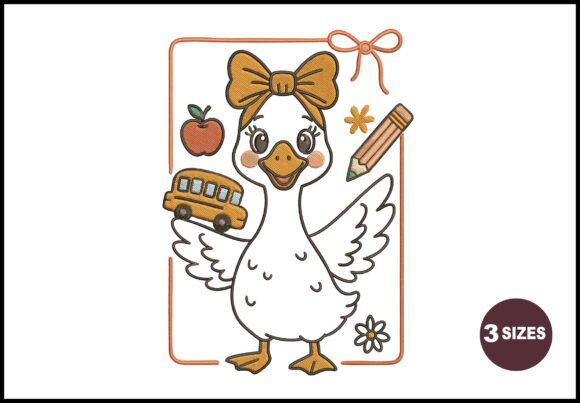
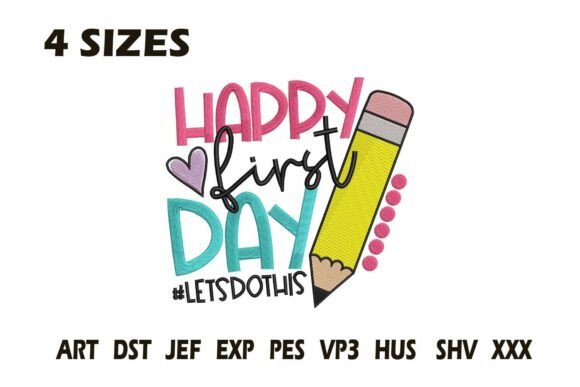
The moment I opened the Happy First Day Embroidery Design, I felt its charm—it’s playful without being childish, gentle without being generic. The lettering has soft curves and subtle bounce; the optional icon (a tiny backpack or open book, depending on version) adds narrative without clutter. It doesn’t scream “Back To School” in a rigid, calendar-driven way—it whispers “new beginnings,” making it equally at home on a baby’s first blanket as it does on a wedding guest towel. This is what makes it a strong personalized gift anchor: it invites storytelling. Customers don’t just buy a design—they buy a memory waiting to be stitched.
Versatility Across Your Product Line
I tested Happy First Day Embroidery Design across eight common handmade product categories—and it held up beautifully in most:
- Baby embroidery: On organic cotton swaddle blankets and muslin bibs, the design read clearly at 3.5" wide. Its moderate stitch density kept fabric soft and breathable—critical for infant items.
- Wedding gift: Stitched in ivory thread on a linen napkin set, it became a tender “first day as husband and wife” keepsake. Paired with monogrammed initials, it elevated the whole presentation.
- Embroidered towel: On premium looped cotton kitchen towels, the design stayed crisp after three washes—no fraying or puckering—when paired with tear-away + cut-away stabilizer.
- Pillow cover & tote bag: Worked flawlessly on medium-weight canvas and cotton duck. The balanced fill and satin-stitch outlines gave clean edges, even on slightly curved seams.
- Nursery decor & apron: On cotton-poly blend nursery pillows and chef-style aprons, the whimsy felt intentional—not cutesy. Perfect for small shop products targeting modern parents or foodie couples.
It also shines as a digital embroidery file for Etsy sellers: easy to preview in printable mockups, intuitive to resize within safe limits, and emotionally aligned with buyers searching for “meaningful first milestone” gifts.
Where to Use Happy First Day Embroidery Design Thoughtfully
Not every surface is ideal—and that’s okay. Here’s where I recommend extra care:
- Small lettering: Avoid shrinking below 2.75". At that size, the interior curves of “a” and “g” risk losing definition on dense fabrics.
- Textured fabric: Heavy terry cloth or thick waffle weave towels need heavier stabilizer—and possibly slight digitizing tweaks—to prevent shadowing under dense fills.
- Stretchy baby clothes: While lovely on blankets, skip onesies unless you use high-quality cut-away stabilizer *and* test stitch tension rigorously. The design’s flow works best on stable substrates.
- Curved surfaces: Mugs or rounded tote handles require rehooping or specialty hoops—so plan for extra setup time if offering custom embroidery on non-flat items.
- Dark fabric: The design’s light-outline aesthetic reads best on light-to-mid tones. On charcoal or navy, consider switching to cream or gold thread—and always run a printable mockup first.
- Frequent-wash items: For embroidered towels or dishcloths meant for daily use, confirm thread colorfastness and reinforce stabilizer choice. A quick 30-minute soak test post-stitching pays off.
Why It Builds Trust—and Sales—for Small Makers
Customers don’t just buy thread and fabric—they buy confidence in your craft. Happy First Day Embroidery Design supports that trust because it feels handmade, not mass-produced. Its irregular baseline, hand-drawn-inspired spacing, and gentle weight variation signal intentionality. When photographed on a folded blanket or draped over a wooden chair, it enhances product photography naturally—no heavy editing needed. Buyers linger longer. They imagine gifting it. They add it to cart—and often pair it with matching items (a pillow + blanket set, for example).
For small shop owners and digital product sellers, this design also strengthens perceived value. Unlike generic script fonts, it carries narrative weight—making it easier to justify a $28–$42 price point for a finished product. And because it bridges baby, wedding, and home categories, it helps diversify your catalog without diluting your brand voice.
Essential Embroidery Notes Before You Stitch
Before adding Happy First Day Embroidery Design to your next batch of custom orders, take these practical steps:
- Run a test stitch on scrap fabric matching your intended product—especially for new fabric blends or thread combinations.
- Check thread color contrast: light thread on dark fabric may need a second pass or denser fill; dark thread on light fabric usually shines with standard settings.
- Confirm hoop size compatibility—some versions include multiple sizes; choose the one that fits your most-used hoop without excessive rehooping.
- Review stitch density visually in your embroidery software. If fills look overly tight on light fabrics, reduce density by 5–8% for breathability.
- Use appropriate stabilizer: tear-away for stable cottons, cut-away for knits or linens, and water-soluble for delicate lace overlays.
- Compare light and dark fabric mockups side-by-side—your website photos should reflect real-world readability.
- Inspect small details post-stitch: check loops, jump stitches, and outline continuity before packaging.
- Verify commercial licensing terms—this is essential for commercial embroidery and all handmade product resale. If unclear, contact the designer or marketplace before listing.
In short: Happy First Day Embroidery Design isn’t just another machine embroidery design—it’s a thoughtful, flexible, emotionally intelligent tool for makers who believe personalized gifts should feel as meaningful to create as they do to receive. Whether you’re stitching for a newborn’s arrival, a couple’s first home, or a teacher’s classroom refresh, this file earns its place in your working library—and in your customers’ hearts.