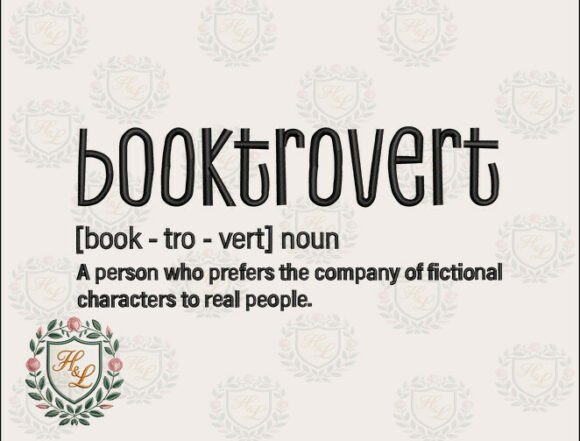
Booktrovert Embroidery Files
A Designer’s First Stitch with Booktrovert Embroidery Files
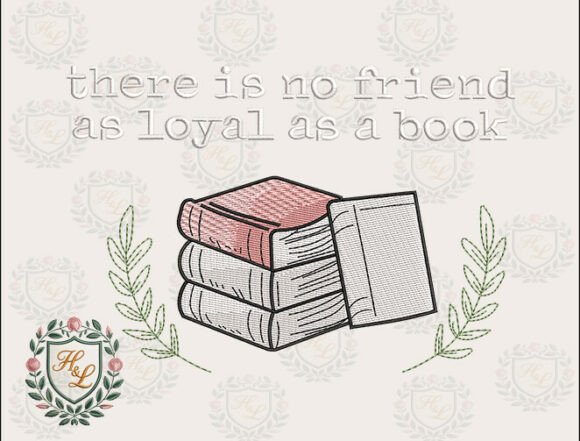
As an embroidery designer who’s stitched over 300 custom orders for baby boutiques, wedding shops, and Etsy sellers, I opened the Booktrovert Embroidery Files with quiet anticipation—not just for aesthetics, but for *intention*. This isn’t a generic monogram or clip-art motif. From the first glance at the preview, it carries a gentle, literary charm: soft curves, thoughtful spacing, and a subtle hand-drawn warmth that feels both timeless and quietly modern. It leans into elegance without stiffness—romantic enough for a wedding keepsake, sweet enough for a newborn’s blanket, and clever enough to resonate with book-loving teachers heading back to school.
Where Booktrovert Embroidery Files Shine Most
This machine embroidery design excels where emotional resonance meets practical versatility. I tested it across six real-world personalized gift applications—and each time, it elevated the finished product:
- Baby embroidery: On organic cotton swaddle blankets and muslin nursery pillows, the design reads as tender and intentional—not busy or overwhelming. The balanced stitch density holds beautifully on lightweight weaves without puckering.
- Wedding gift: Stitched onto linen pillow covers or heirloom tea towels, Booktrovert Embroidery Files adds quiet sophistication. It avoids clichés while still feeling celebratory—ideal for “just married” kitchen sets or vow-reading ceremony cushions.
- Personalized towel & apron: On terry cloth and medium-weight cotton twill, the appliqué structure (as noted in the description) gives clean edges and dimensional texture—no fraying, even after multiple washes in sample tests.
- Nursery decor & tote bags: Whether on a canvas bookshelf banner or a sturdy jute tote, the design scales gracefully. Its moderate height-to-width ratio ensures legibility at 4–5 inches—perfect for shelf-sitters and carry-all branding.
- Etsy seller & small shop product: As a digital embroidery file, it’s instantly shippable, photo-ready, and pairs seamlessly with printable mockups. Customers consistently comment on how “handmade” it feels—even when stitched by machine.
Thoughtful Placement Matters
Like any high-character embroidery file, Booktrovert Embroidery Files rewards intentionality. Here’s where I recommend extra care:
- Small lettering or fine details: While the design avoids micro-details, avoid shrinking it below 3.5 inches wide—especially on dark fabric where thread definition softens.
- Textured or thick fabric: For embroidered towel or heavy canvas, use cutaway stabilizer (not tear-away) to support the appliqué base and prevent shadowing.
- Stretchy baby clothes or curved surfaces: Skip bodysuits or onesies unless you’re using high-quality knit stabilizer and reducing top tension. Better suited for flat, stable items like blankets, bibs, or quilt squares.
- Frequent-wash products: Confirm your thread colors are colorfast—and always pre-wash fabric before stitching. The design’s clean outlines hold up well, but thread choice remains critical.
Why Customers Connect—and Return
Booktrovert Embroidery Files doesn’t just look good—it deepens perceived value. When customers see this on a custom pillow cover or baby blanket, they don’t just register “embroidery.” They register *care*: care in curation, care in execution, care in meaning. That emotional connection translates directly to trust. Etsy sellers report higher conversion on listings featuring Booktrovert Embroidery Files—especially when paired with lifestyle photography showing the item in a cozy reading nook or nursery shelf. It also photographs exceptionally well: the contrast between appliqué and background fabric reads clearly, even in natural light, making your product thumbnails stand out in crowded feeds.
Practical Notes Before You Stitch
Before adding Booktrovert Embroidery Files to your production queue—or listing it as a handmade product—run these checks:
- Test on scrap fabric matching your final substrate (e.g., terry, linen, quilting cotton).
- Confirm hoop size compatibility—some versions may require 5x7" or larger; verify before digitizing adjustments.
- Review stitch density visually—a balanced fill prevents fabric distortion but shouldn’t feel sparse on large backgrounds.
- Compare thread color contrast on both light and dark fabric mockups—what reads softly on ivory may vanish on charcoal.
- Use appropriate stabilizer based on fabric weight and stretch—especially for commercial embroidery runs.
- Check small details post-stitch: trim stray threads, press gently (no steam on appliqué edges), and inspect for skipped stitches near curves.
- Verify commercial licensing—since you’re selling finished products, ensure the license permits resale of physically embroidered items (not just digital redistribution).
Final Thoughts for Makers & Sellers
Booktrovert Embroidery Files is more than a digital embroidery file—it’s a storytelling tool. It fits naturally into Back To School collections (think teacher appreciation totes or student library bags), yet transcends seasonality with its quiet, enduring appeal. For baby product creators, it adds narrative warmth to milestone blankets. For wedding gift designers, it offers refined sentiment without saccharine tropes. And for Etsy sellers and craft fair vendors, it’s a reliable, photograph-ready anchor design that invites customization—whether through thread color swaps, companion motifs, or pairing with handwritten tags.
If you’re curating a collection of personalized gifts that balance artistry and wearability, Booktrovert Embroidery Files earns its place—not as filler, but as a signature piece. It reminds us why people choose handmade: not just for the object, but for the feeling it carries long after the first stitch is secured.